
Psychological Readiness To Return
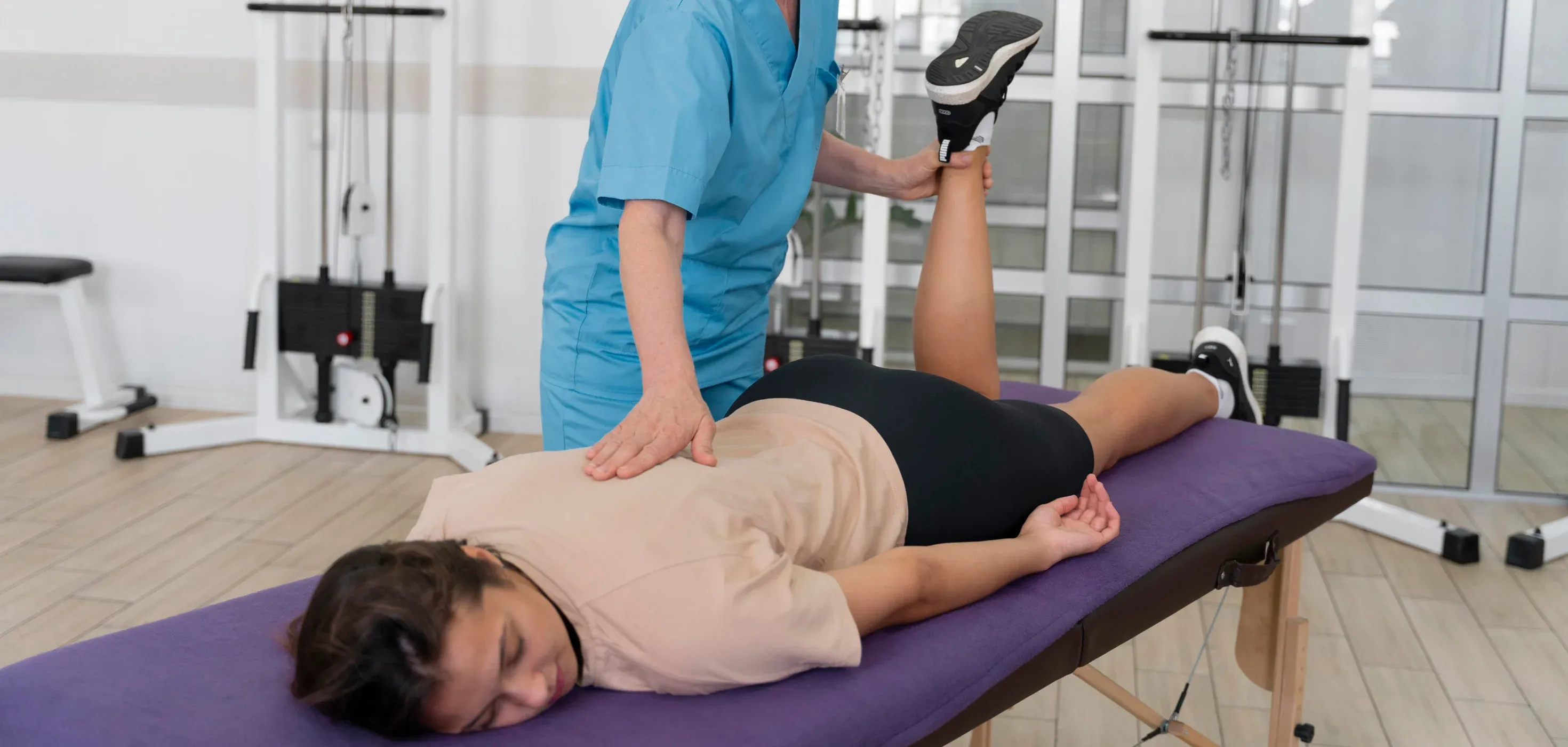
A graft can be fully healed, strength symmetry can sit above ninety percent, and hop tests can pass with room to spare, and yet the athlete still hesitates at the moment of truth. They plant a half-beat late. They avoid the cut to their reconstructed side. The tissue is cleared but the mind is not, and that hesitation is itself a mechanism of re-injury.
This is the part of rehab that strength charts cannot see. Psychological readiness is a distinct outcome from physical recovery, and the research is blunt about it: fear of re-injury is one of the strongest predictors of whether an athlete returns to their prior level of sport at all, independent of how well the knee tests.
Measuring something that feels unmeasurable
To turn that fear into data we use the ACL-RSI scale, a validated questionnaire that scores an athlete’s emotions, confidence, and risk appraisal around returning to sport. A low score weeks before clearance is a warning, not a personality trait, and it tells us to build psychological exposure into rehab rather than hoping confidence appears on its own.
“The graft heals on a biological timeline. Confidence heals on an experiential one, and you cannot rush it with a scalpel.”
When ACL-RSI scores lag behind physical milestones, we adjust the plan: graded exposure to the feared movement, performance under fatigue and distraction, and small wins that rebuild trust in the limb. Confidence is trained the same way strength is, through progressive, deliberate loading.

Key markers of psychological readiness
- ACL-RSI threshold: Scores below the established cutoff flag elevated risk of not returning to prior performance.
- Fear of re-injury: Persistent avoidance of the involved limb during reactive tasks signals unfinished psychological work.
- Confidence under chaos: True readiness shows up when the athlete performs the feared movement reflexively, not cautiously.
Conclusion
Clearing an athlete physically while ignoring the mind sends a fragile competitor onto the field with a hidden brake on. We treat the psychology of return as a measurable, trainable outcome, equal in weight to the strength data. A knee that is ready is not the same as an athlete who is ready, and our job is to deliver both.

More Blogs

The R.I.C.E protocol is dead. Modern sports science proves controlled accelerates tissue healing faster.

You might look symmetrical, but are you producing force equally? We break down how GRF reveals hidden risks.
Bridging the gap between clinical rehab and on-field performance requires speed. Learn how VBT ensures.